


6 August 2026
Market TrendsFeta PDO in Italy: an increasingly established grocery category
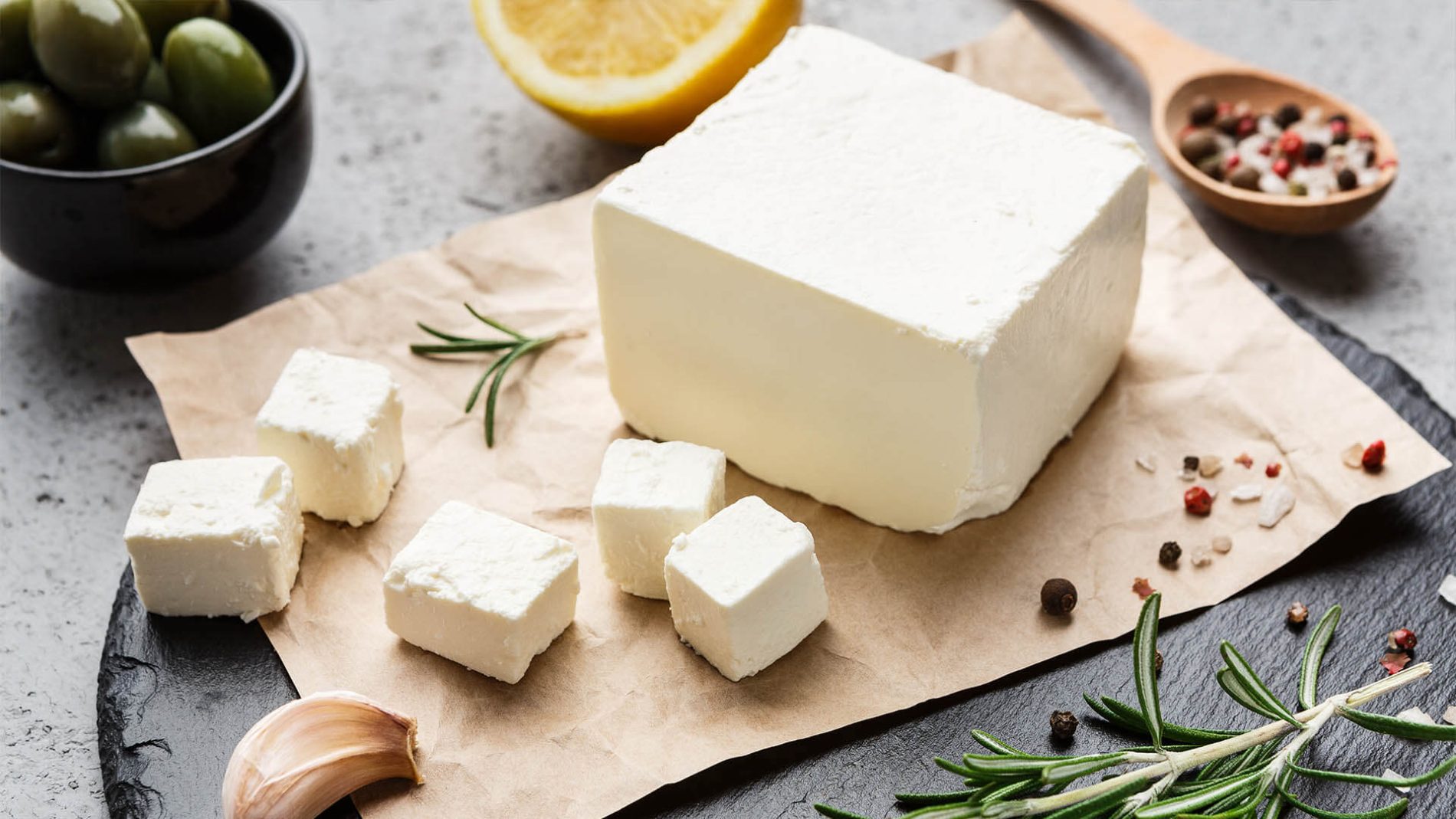
The supply chain for Feta PDO in Italy, Greece’s protected-origin cheese, is facing a challenging period. Disease outbreaks affecting sheep and goat farms across Greece have led to the culling of approximately 486,000 animals, reducing the availability of milk for cheesemaking. Production has not come to a widespread halt, but pressure is building across sourcing, production capacity and supply-chain costs.
Against this constrained supply, demand in Italy remains strong. As reported by the Italian daily la Repubblica, in an article also republished by HuffPost, purchases of Feta through modern grocery retail have doubled since 2021. The latest Nielsen data, updated to June 2026, value the market at €120.3 million, up 11% in value and 8% in volume. Around 8.6 million kilograms are now sold through Italian grocery retailers—more than established fresh-cheese categories such as robiola, goat’s cheese, tomini and cottage cheese—despite an average price of €13.88 per kilogram.
In the first six months of 2026, the category generated approximately €59 million in sales, outperforming 2025 in every month analysed. Although demand still has a seasonal component, these results show that Feta is securing a more consistent year-round position in retail ranges and consumer eating habits.
From a seasonal purchase to an everyday staple
One of the factors behind this shift is the product’s ability to fit a wide range of consumption occasions.
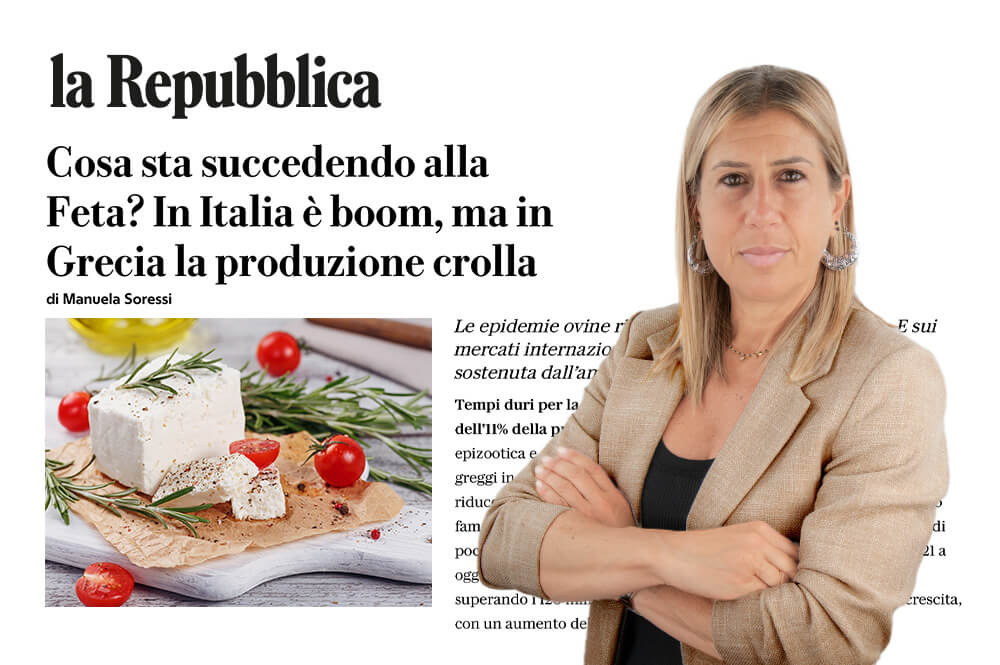
As Giovanna Chiarini, Italy Sales Director at Atlante, told la Repubblica:
“Feta is moving beyond its image as a Greek speciality or a product reserved for specific occasions and is becoming a more established part of Italian eating habits. For many Italian consumers, it is no longer an occasional purchase, but an ingredient they routinely keep in the fridge.”
Viral social media recipes such as baked feta pasta have helped broaden the ways consumers use the product, particularly in hot dishes. This versatility is also deeply rooted in Greek food culture, where Feta is served cold, marinated, fried or baked, as well as used in traditional dishes such as spanakopita and moussaka.
Through Kionas and Pavlakis, Atlante works at the intersection of Greek authenticity and evolving consumer habits. Recipes and digital content show how easily Feta can become part of everyday cooking while retaining its connection to its origin.
For grocery retailers, Feta PDO is becoming a category to manage throughout the year: communicating its distinctive identity, expanding usage occasions and developing ranges that respond to an increasingly diverse set of consumer needs.
Rassegna Stampa