


8 January 2026
Media & PressThe Challenge of Abundance in the Food Sector: Volumes, Pricing, and Supply Chain Management
After years marked by raw material shortages, supply chain tensions, and climatic and geopolitical instability, the European food sector faces a different—yet no less complex—scenario: abundance.
In an op-ed published in Gusto – Speciale Marca, Natasha Linhart, CEO of Atlante, reflects on this paradigm shift and its concrete implications for the industry, distribution, and retail. Her analysis shifts the focus from volumes to the capacity to govern them, prioritizing strategic stock management, the valorization of quality and origin, and the role of export as a balancing lever.
Today, the real challenge is not producing more, but transforming abundance into lasting value throughout the entire supply chain.
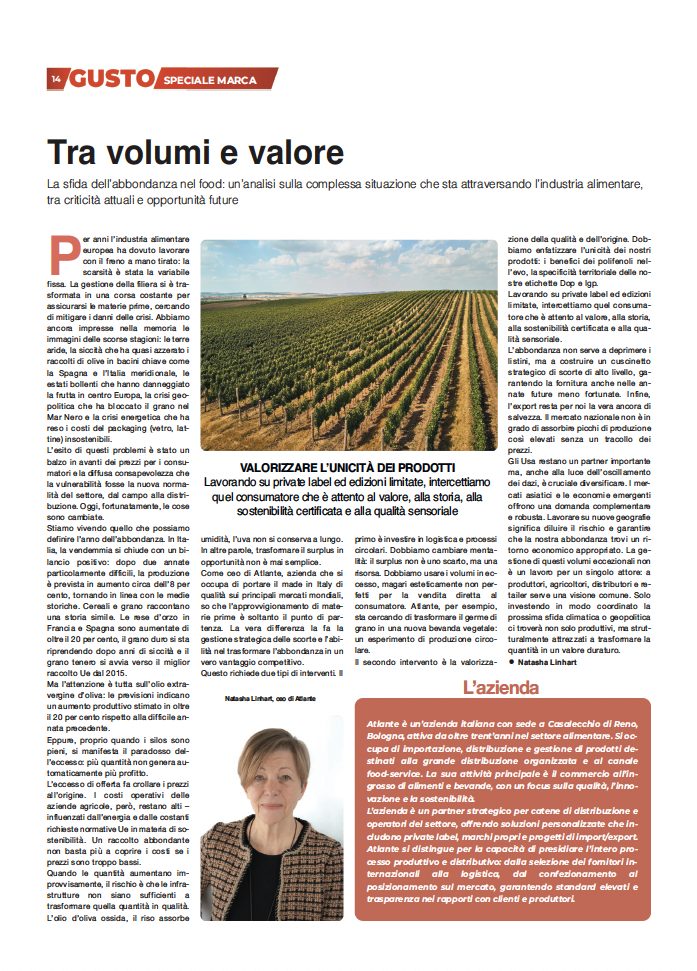
Between Volume and Value
The Challenge of Abundance in Food: Analyzing the Food Industry’s Complex Landscape, Between Current Critical Issues and Future Opportunities
For years, the European food industry has had to operate with the brakes on: scarcity was the constant variable. Supply chain management turned into a perpetual race to secure raw materials, attempting to mitigate the damage of ongoing crises. We still have vivid memories of recent seasons: arid lands, droughts that nearly wiped out olive harvests in key basins like Spain and Southern Italy, scorching summers that damaged fruit crops in Central Europe, the geopolitical crisis blocking grain in the Black Sea, and the energy crisis that made packaging costs—such as glass and cans—unsustainable.
The result of these issues was a sharp price increase for consumers and a widespread realization that vulnerability had become the sector’s new normal, from field to distribution. Fortunately, the context has changed today.
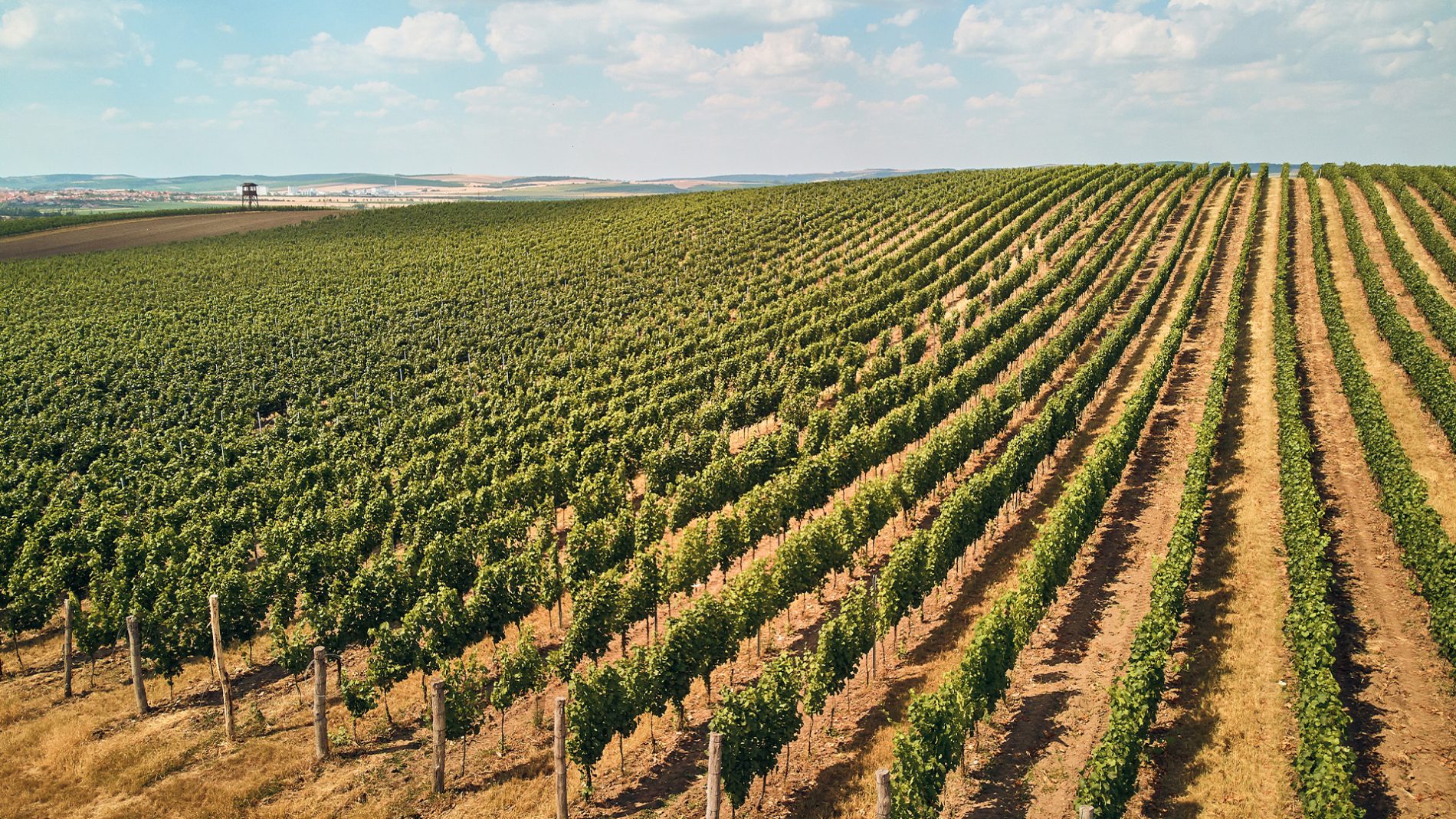
We are experiencing what we can define as the “year of abundance.” In Italy, the grape harvest closed with a positive outcome: after two particularly difficult years, production is expected to increase by about 8%, returning to historical averages. Cereals and grain tell a similar story. Barley yields in France and Spain have risen by over 20%, durum wheat is recovering after years of drought, and soft wheat is heading towards the best European harvest since 2015.
However, the spotlight is on extra virgin olive oil, with forecasts indicating a production increase estimated at over 20% compared to the previous difficult year. Yet, precisely when the silos are full, the paradox of excess emerges: higher quantity does not automatically generate higher profit.
Increased supply drives down prices at the source, while operating costs for agricultural companies remain high, influenced by energy prices and growing European regulatory demands regarding sustainability. An abundant harvest alone is no longer enough to cover costs if prices fall too low.
When quantities increase suddenly, there is a risk that infrastructure will be insufficient to transform that quantity into quality. Olive oil oxidizes, rice absorbs humidity, grapes do not keep for long. In other words, turning surplus into opportunity is never simple.
As CEO of Atlante, a company dedicated to bringing high-quality Made in Italy products to major global markets, I know well that sourcing raw materials is only the starting point. The real difference lies in strategic stock management and the ability to transform abundance into a real competitive advantage.
This requires two types of intervention. The first is investing in logistics and circular processes. A change in mindset is needed: surplus is not waste, but a resource. Excess volumes, perhaps aesthetically imperfect for direct sale to consumers, can find new destinations. Atlante, for example, is working on transforming wheat germ into a new plant-based beverage, experimenting with circular production models.
The second intervention concerns the valorization of quality and origin. It is fundamental to emphasize product uniqueness, from the benefits of polyphenols in extra virgin olive oil to the territorial specificity of PDO and PGI denominations. Through private labels and limited editions, it is possible to engage a consumer attentive to value, story, certified sustainability, and sensory quality.
Abundance should not serve to depress price lists, but to build a strategic buffer of high-level stock, capable of guaranteeing supply even in less fortunate future years. In this scenario, export remains a fundamental lever. The domestic market cannot absorb such high production peaks without a severe impact on prices.
While the United States remains a key partner, in light of tariff-related fluctuations, diversification is increasingly crucial. Asian markets and emerging economies offer complementary and structured demand. Expanding into new geographies means diluting risk and ensuring that abundance finds an adequate economic return.
Managing these exceptional volumes cannot be tackled by a single player. Producers, farmers, distributors, and retailers need a shared vision. Only by investing in a coordinated manner will we be not just productive, but structurally ready to transform quantity into lasting value when the next climatic or geopolitical challenge arises.