


30 October 2026
Food FraudFood Fraud: Focus on Dry Pasta
Atlante’s Food Fraud Observatory focuses on the risks associated with products and categories. The goal? To raise awareness and help businesses operate with greater responsibility.
Framework
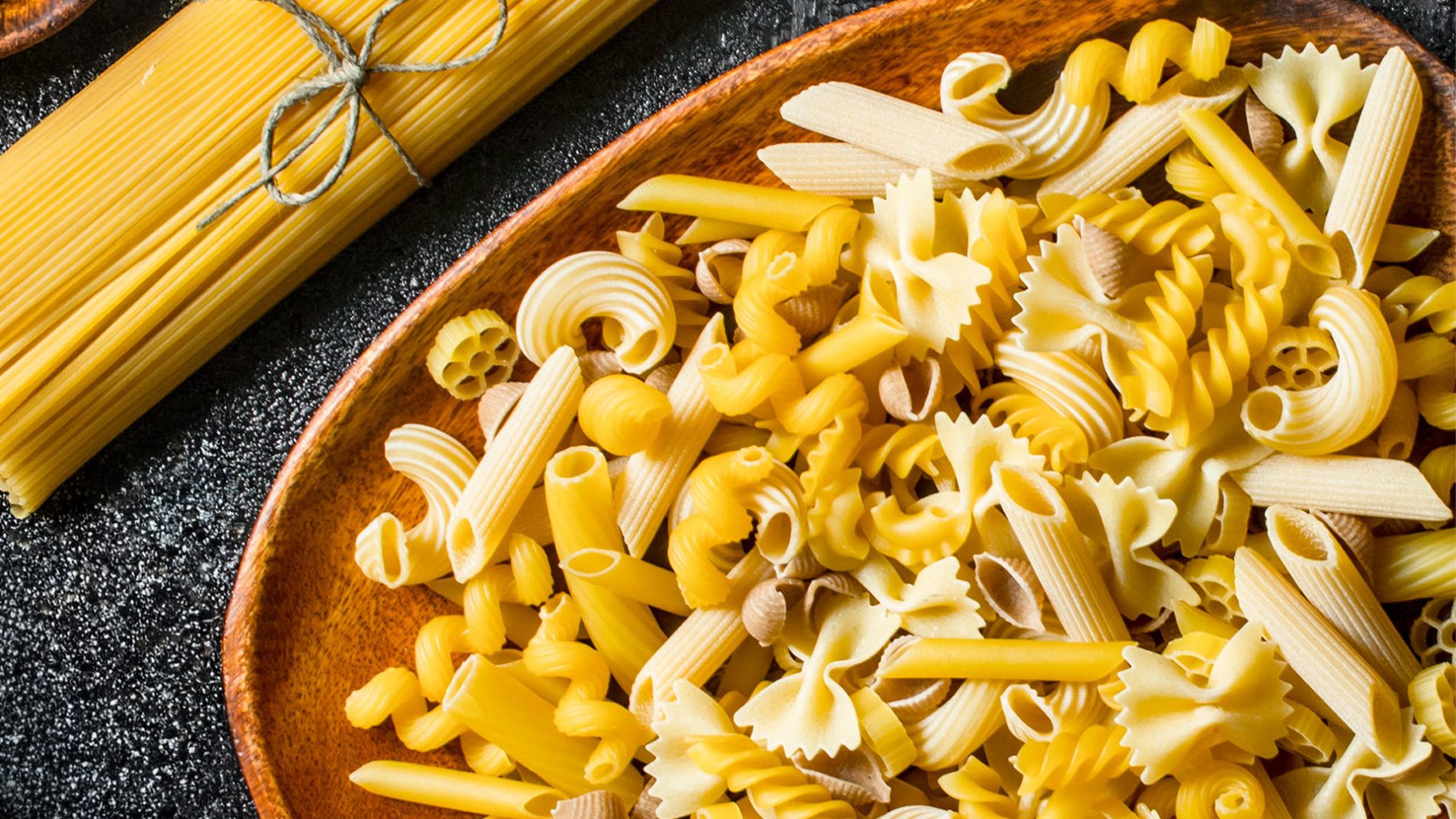
There are more than 500 different shapes of durum wheat pasta, ranging from traditional and regional varieties to those born from the creativity of Italian pasta makers. The earliest written records of pasta production as we know it today date back to the Middle Ages, starting in Sicily and gradually spreading throughout Southern Italy. Between the 18th and 19th centuries, the commercial expansion of pasta began, driven by the development of pasta-making workshops in Gragnano and the Torre Annunziata area. Several factors contributed to this growth: the selection and import of more resilient durum wheat varieties from abroad, such as Taganrog, named after the port on the Sea of Azov; the emergence of the pastaio, a skilled artisan with deep knowledge of the microclimatic conditions required for natural drying; the evolution of production tools and machinery, transitioning from artisanal to industrial processes; and the expansion of both domestic demand and export markets, initially through foodservice channels and later through large-scale retail distribution. Industrial production subsequently spread across the entire country. In 2013, Pasta di Gragnano was awarded PGI (Protected Geographical Indication) status.
Fraud risks in the sector
An accidental contamination of soft wheat is permitted up to 3%; beyond this threshold, it is considered adulteration. Specifically for Pasta di Gragnano PGI, the minimum protein content requirement increases to 13 g per 100 g. In recent years, consumers, particularly in Italy, have increasingly perceived the use of Italian-grown wheat as an added value, as highlighted on the packaging of both industrial and artisanal brands. While current soft wheat prices do not make its fraudulent use economically attractive, the primary risk today lies in misrepresentation of origin, due to the limited availability of domestic wheat compared to market demand. Price volatility may be further exacerbated by quality fluctuations in Italian wheat, particularly lower protein content in years affected by unfavorable climatic conditions. Historically, this is precisely why Gragnano’s master pasta makers sourced wheat from abroad, where quality was more consistent.
Prevention
Effective prevention starts with a thorough assessment of raw material vulnerability, combined with a rigorous supplier qualification process. The higher the vulnerability, particularly in times of price pressure on durum wheat, and especially on domestic supply, the stricter the controls required on both suppliers and incoming raw materials. From a supplier perspective, it is advisable to select partners certified according to internationally recognized standards such as BRC, IFS, or ISO 22000.In terms of supply control, beyond laboratory testing for the quantitative detection of soft wheat DNA, isotopic analysis is also available, enabling a reliable identification of the geographical origin of raw materials. More broadly, when products carry a “100% Italian wheat” claim, it is recommended to source raw materials certified under ISO 22005, which ensures full traceability, often supported by blockchain technology, down to the farm level. Without such certification, the traceability of wheat origin is typically lost at the grain storage stage.
Atlante contro le frodi alimentari: un impegno che parte dalla filiera
La frode alimentare è un rischio reale, sistemico e spesso sottovalutato. Per questo nel 2023 Atlante ha dato vita al programma di Food Fraud Risk Assessment — un percorso strutturato per identificare, analizzare e prevenire i rischi legati all’adulterazione e alla contraffazione lungo tutta la filiera, coordinato da Enrico Santi, Quality Assurance Manager.
Da questa competenza nasce la collaborazione con GDO Week: una rubrica curata dal team Qualità di Atlante, con approfondimenti su singole categorie merceologiche — dai fattori di rischio ai metodi di rilevamento, fino alle strategie di mitigazione.
Un contributo concreto al settore, rivolto alle catene della distribuzione, ai buyer e a tutti i partner che condividono la stessa responsabilità: garantire che ciò che arriva sullo scaffale sia esattamente quello che dichiara di essere.