


Atlante Summit 2025
The Food Evolution
Relive the day
The food world is constantly evolving.
Emerging technologies, new consumption models, global tensions and an increasingly interconnected market. These are just some of the forces reshaping how we produce, distribute and experience food on a global scale.
How is the food system changing, and what choices does it demand from those who lead it every day?
This was the key question behind the third edition of the Atlante Summit.
A day of open dialogue that connected international perspectives with operational challenges, strategic thinking with everyday decisions.
From the choices made by major retailers across Europe and the Middle East to the frontier of artificial intelligence, and the cultural meaning of food in different regions, the Summit offered a broad yet grounded view of the present and future of food.
Watch the full talks and explore the topics that emerged throughout the day.

A closer look at a day driven by change.
From the strategies of leading European and Middle Eastern retailers to the impact of artificial intelligence and the role of food across cultures, the Atlante Summit delivered a concrete and layered conversation on the future of the food system.
This video brings together the voices and perspectives of the day, capturing strategic insights, operational approaches and the key questions that remain open.
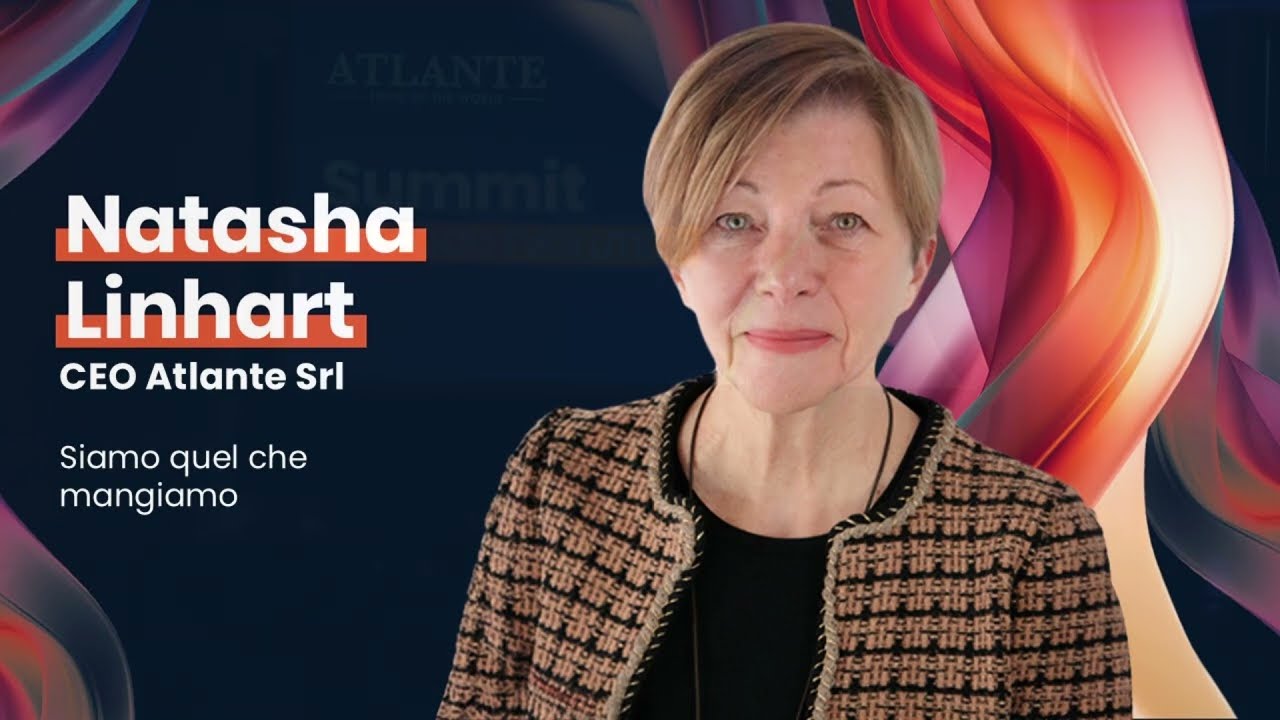
Natasha Linhart
In her opening remarks, Natasha Linhart reflects on how our relationship with food has evolved — from local markets to the abundance of global supermarkets. This transformation has changed not only habits and cultures but also contributed to social shifts such as female empowerment.
Today, consumers ask not only what they are buying but how it was made, and what its environmental and social impact is.
“A hundred years ago we tackled hunger. Now we must realign our choices with our values, and with the goal of keeping the planet capable of feeding us all — and feeding us well.”
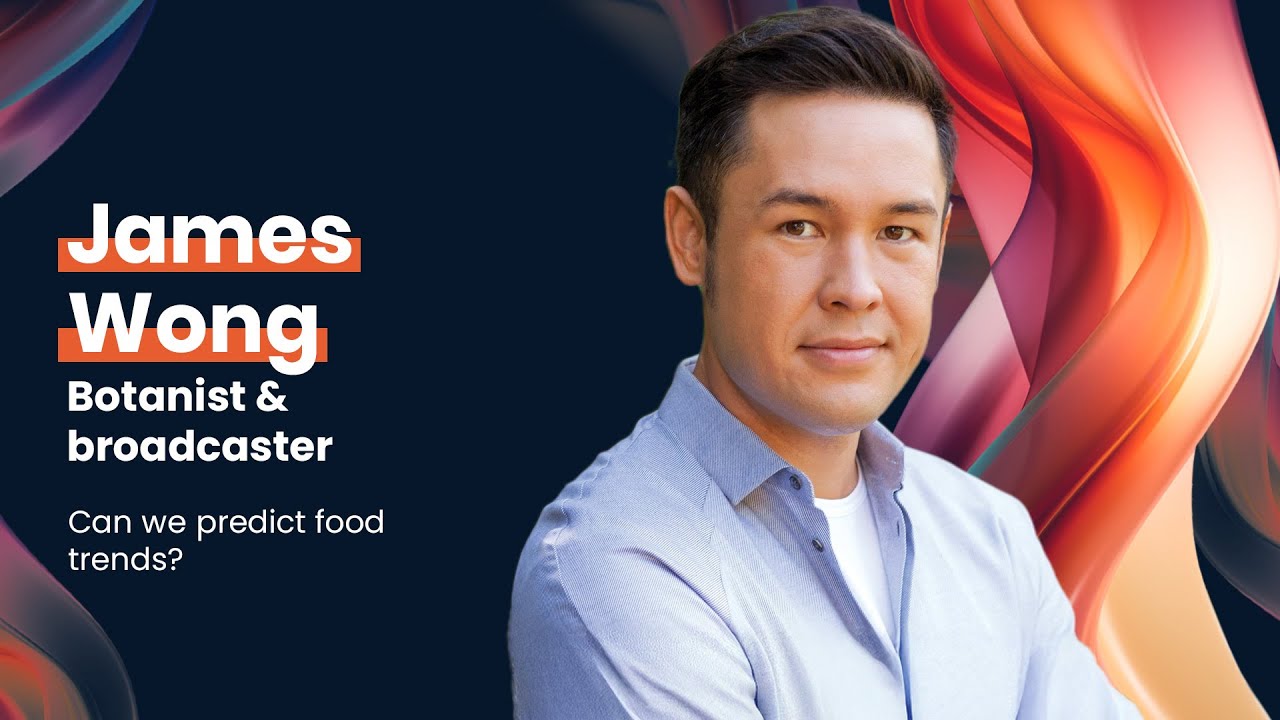
James Wong
Predicting food trends is nearly impossible. James Wong unpacks the myth that reliable models can forecast where food is going.
Media trends are often built to be eye-catching, aspirational and new. Academic models tend to remain vague, self-referential or shaped by cultural bias. Even the idea of the future is often just a projection of the present.
“We like to believe food is moving in a clear direction. But trends often reflect our anxieties, our fashions, our illusions more than they describe the real world.”
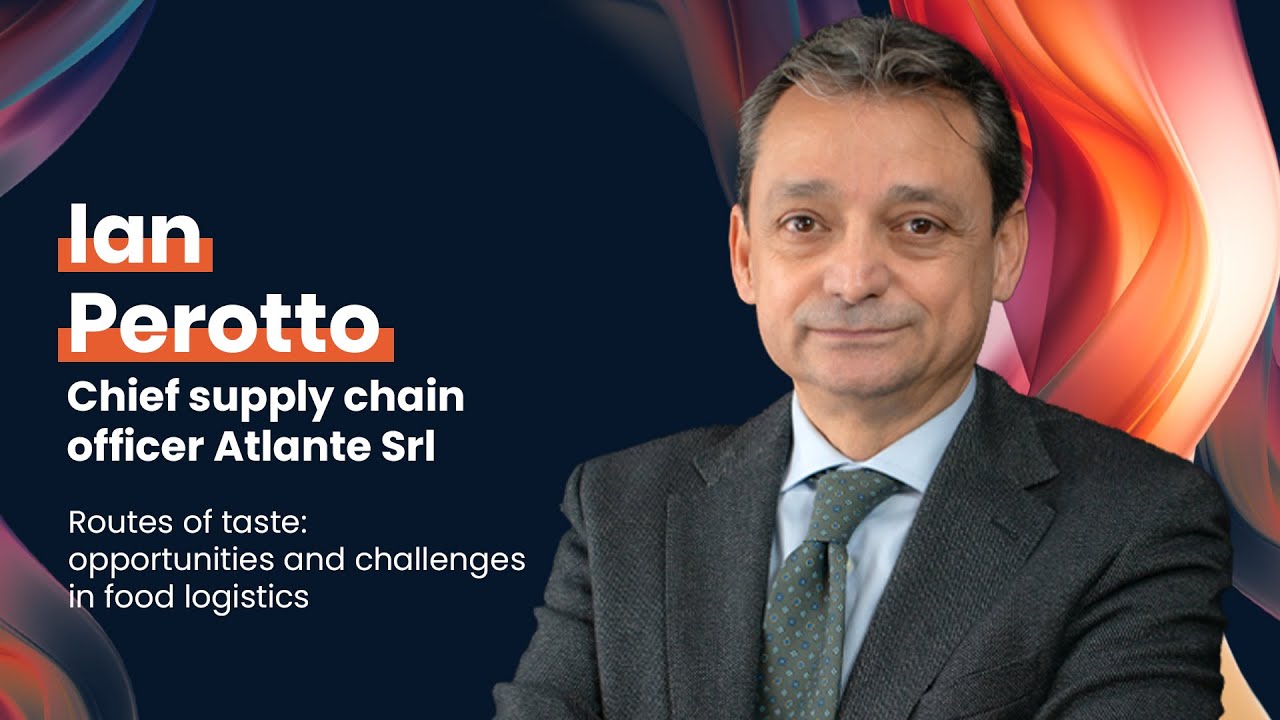
Ian Perotto
Ian Perotto takes us through a century of logistics, starting with a simple yet revolutionary invention — the container.
It reshaped the geography of global trade. Today, the scenario is more complex than ever. Volatility, geopolitical instability and climate emergencies are placing supply chains under constant pressure.
Perotto calls for a shift in mindset, turning the VUCA framework into a response based on vision, unity, collaboration and action. To navigate uncertainty, we don’t need heroes. We need intelligent and self-aware systems.
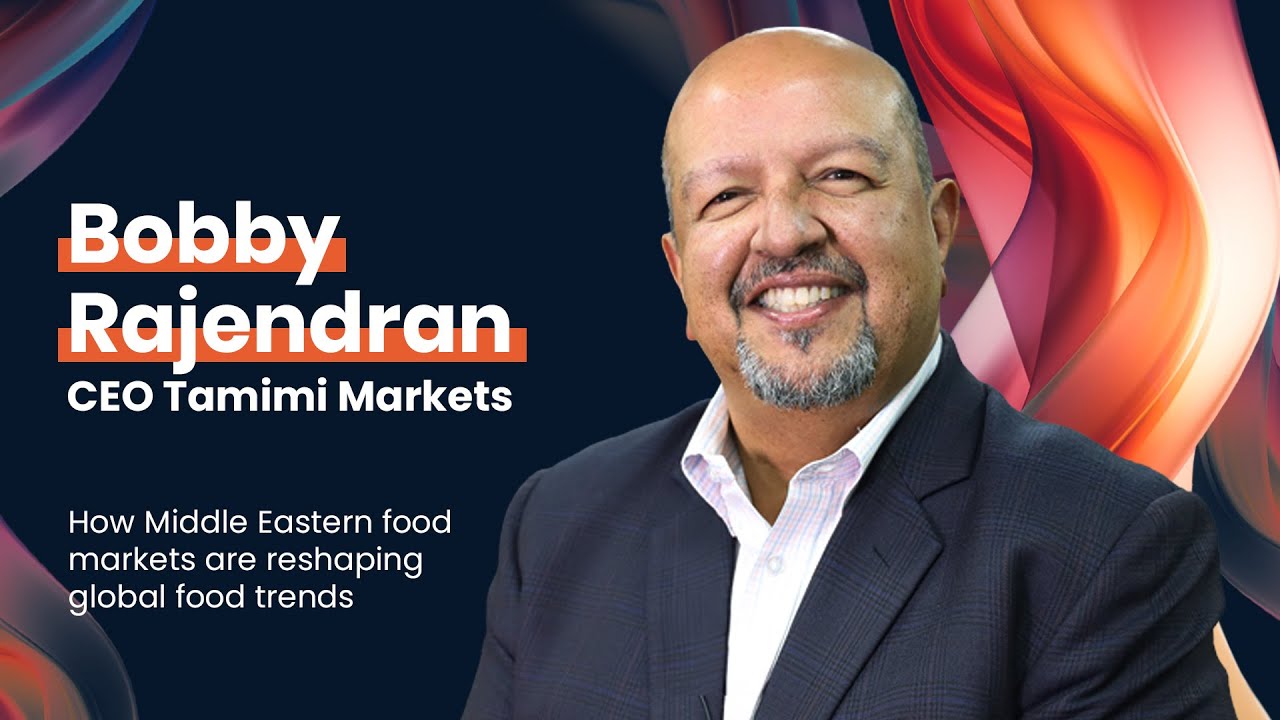
Bobby Rajendran
The flow of food innovation is no longer one-way, from West to East. Today, the Middle East is creating trends rather than just adapting them. Bobby Rajendran describes how a young, culturally confident generation with real purchasing power is reshaping consumption patterns and expectations.
“Fusion is the future” is not a slogan but a fact. Local products with global thinking. Functionality and flavour. Identity and innovation. In Saudi Arabia, retail is not just business — it’s cultural connection.
To grow, companies must go beyond transactions and build transformative relationships.
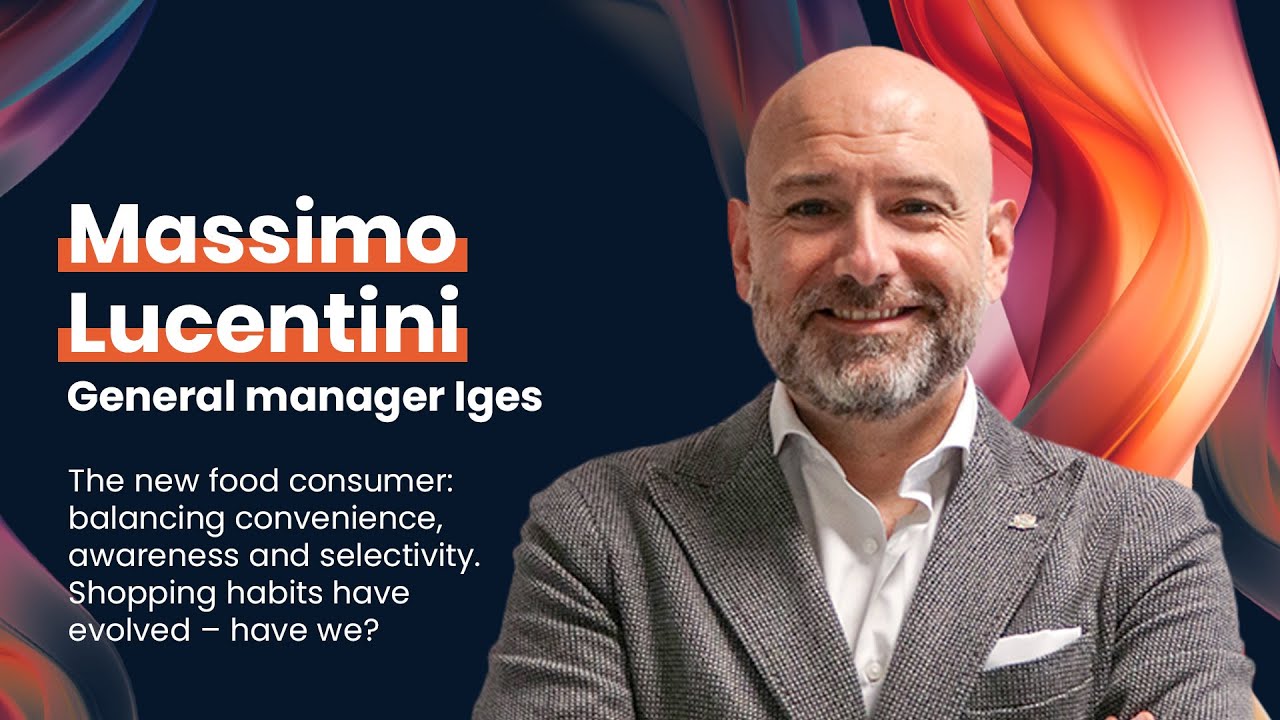
Massimo Lucentini
Shopping habits have changed — and so has the consumer. Massimo Lucentini outlines a clear shift: less loyalty, more awareness, quick but thoughtful decisions. Wise shopping is not only a response to inflation. It is becoming a new form of collective intelligence.
Private label now plays a leading role. No longer a low-cost alternative, it is a value-driven choice. To stay relevant, brands must be credible, deliver on their promises and build a consistent identity over time.
Authenticity, brand clarity and listening to the consumer are not optional. They are the new rules of the game.
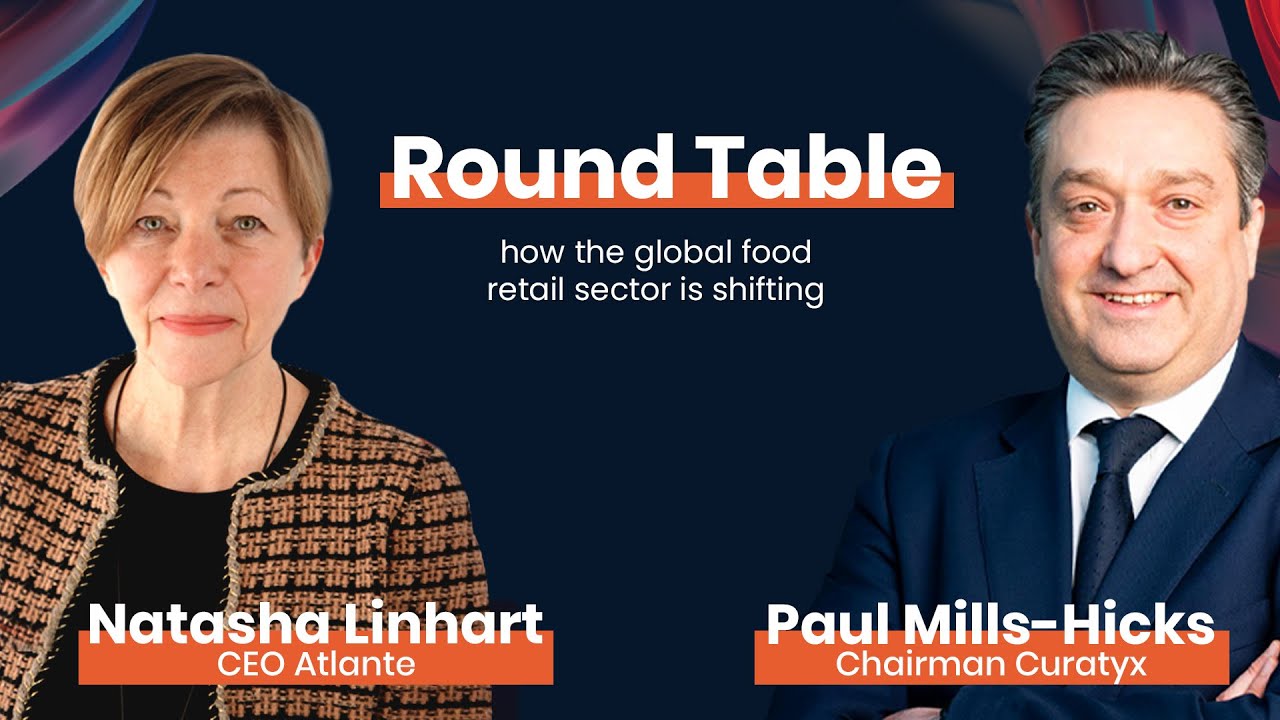
Natasha Linhart & Paul Mills-Hicks
The roundtable began with a key question: how will food evolve in the coming years?
For Natasha Linhart, artificial intelligence will play a leading role, but only if it goes hand in hand with a return to values, supply chain consistency and social responsibility. Paul Mills-Hicks highlighted a paradox of our times. Consumers are more informed than ever, yet often more confused.
“Food is still a cultural act before it is a commercial one. And in today’s hyperconnected world, what works is what brings identity and adaptability together.” The goal is not to predict the future but to guide it with more conscious decisions.
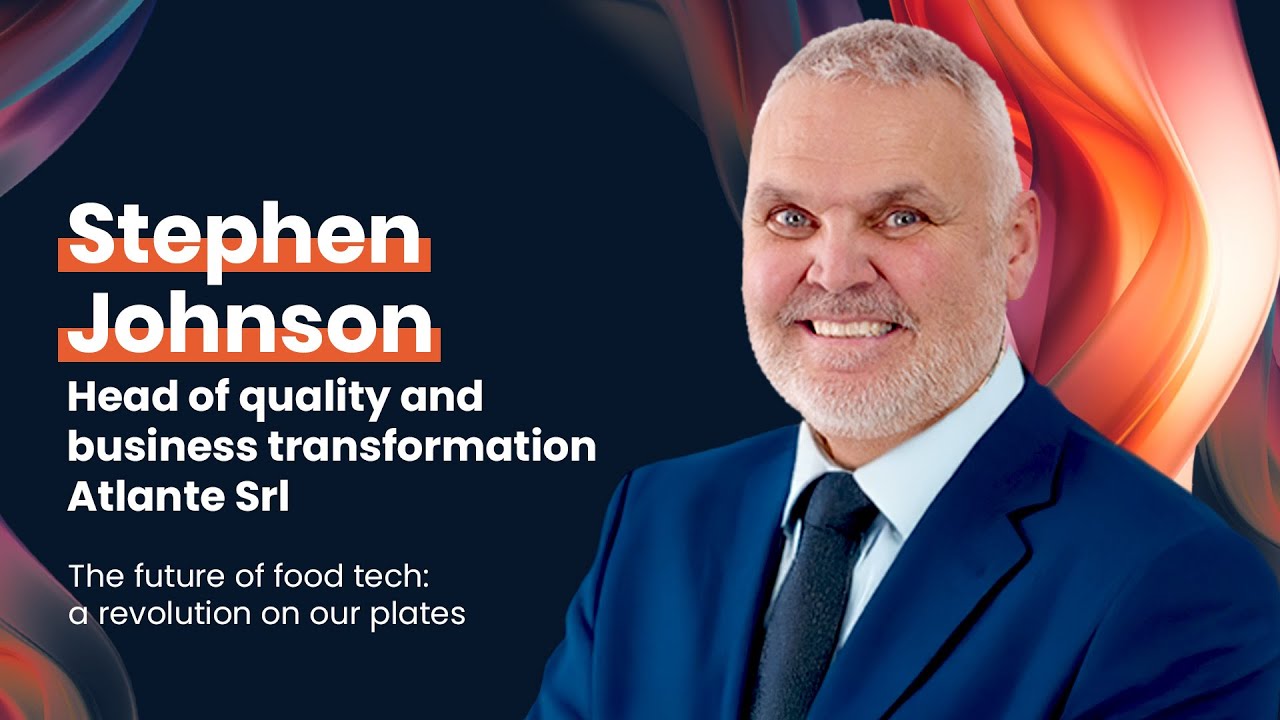
Stephen Johnson
For Stephen Johnson, the time for asking questions about the future is over. Now is the time to build it.
Food tech is essential to feeding the planet and making the industry both sustainable and profitable. Precision farming, cultivated meat, artificial intelligence, robotics, 3D printing, compostable packaging — innovation is already happening and attracting billions in investment.
“By 2030, 79 percent of agricultural businesses will be using AI or IoT.” But technology alone is not enough. Education, collaboration and the ability to lead change are what will truly make the difference.
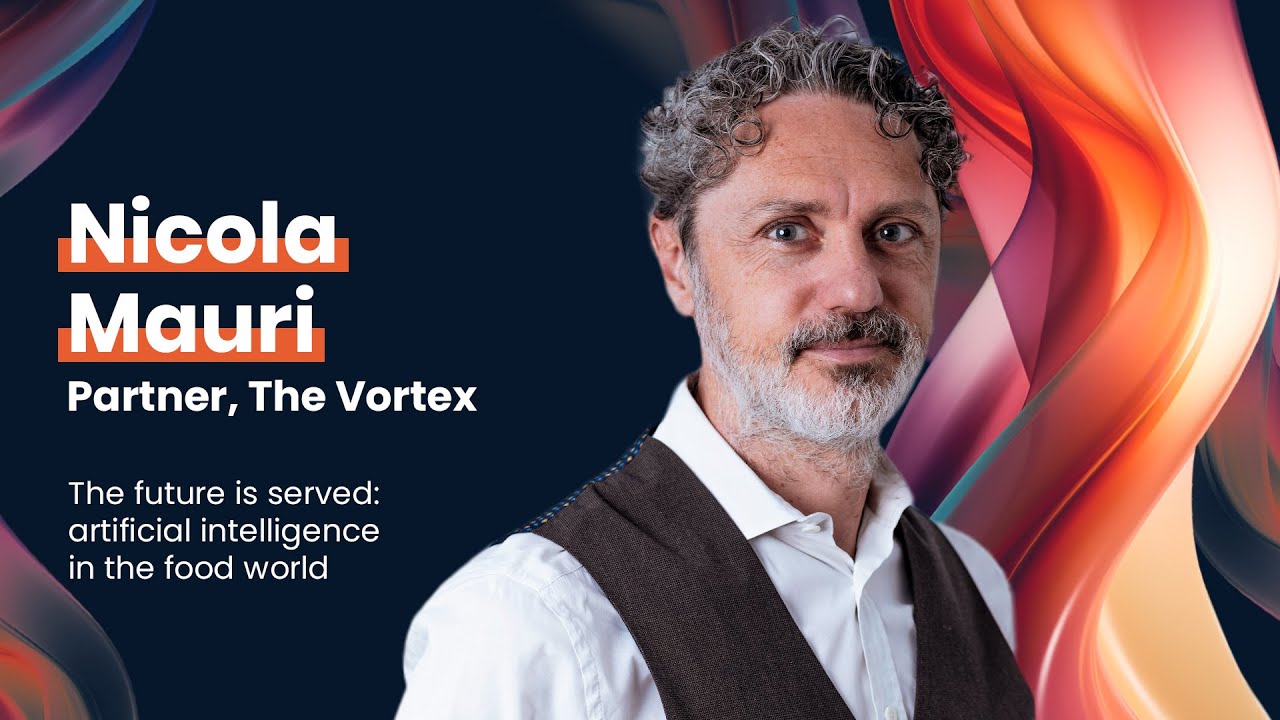
Nicola Mauri
Artificial intelligence is not a shortcut. It is a cultural revolution. Nicola Mauri invites us to rethink our relationship with technology — not as a provider of ready-made answers, but as a tool for learning and questioning.
In the food world, AI enables real possibilities. Personalising products. Optimising production. Reducing waste. Improving service quality. But the real leap lies in how it helps us think.
“We shouldn’t ask AI to replicate what we already know. We should ask it to reveal what we haven’t yet seen.” That, according to Mauri, is the real potential of AI in the future of food.